

Family Based Immigration Timelines
Family-based immigration is one of the most common paths to permanent residence, but it is also one of the most misunderstood. At Cohen Immigration Law Group, family cases are approached with a clear understanding of how these petitions are evaluated and where they most often fail.

What Does Family-Based Immigration Mean?
Family-based immigration allows qualifying relatives to petition for loved ones to become permanent residents. Eligibility depends on the relationship and the petitioner’s status as a U.S. citizen or green card holder.
Immediate relatives include spouses and parents of U.S. citizens. These cases are not subject to visa caps. Other family categories face backlogs and long waiting periods.
How Long Does Family Immigration Take?
Immediate relatives already in the United States may receive decisions starting at 3 months, but for more complex cases, it can take longer than 12 months. Parents of U.S. citizens often fall within a similar range. Sibling petitions and adult children may wait 10 – 15 years before gaining citizenship, depending on the country of origin.
Delays are often caused by missing evidence, prior filings, or unresolved issues.
Is Family-Based Immigration Easy?
Family-based immigration can be straightforward when eligibility is clear, documentation is strong, and there are no prior violations. It becomes significantly more difficult when documentation is weak, prior denials exist, or fraud allegations arise.
Who All Are Eligible for a Family-Based Green Card?
Eligibility for a family-based green card depends on the relationship to the sponsoring family member and whether the sponsor is a U.S. citizen or a lawful permanent resident. The most common eligible categories include:
- Spouses of U.S. citizens who are considered immediate relatives and are not subject to annual visa caps.
- Parents of U.S. citizens, provided the sponsoring child is at least 21 years old.
- Unmarried children under 21 of U.S. citizens are classified as immediate relatives.
- Unmarried adult children of U.S. citizens, subject to visa availability and waiting periods.
- Married adult children of U.S. citizens are subject to longer visa backlogs.
- Siblings of U.S. citizens, one of the longest waiting categories, often require many years before a visa becomes available.
- Spouses of lawful permanent residents, subject to visa caps and priority dates.
- Unmarried children of lawful permanent residents are also subject to visa availability.
Immediate relatives of U.S. citizens are not limited by annual visa quotas, which generally allows for faster processing. All other family-based categories must wait for a visa number to become available, and processing times vary significantly based on the relationship and country of origin.
Can My Sister Get A Green Card If I Am A U.S. Citizen?
Yes, but sibling petitions involve long wait times and careful planning. Visa availability must be monitored, and lawful status issues can complicate adjustment.
Family-based immigration succeeds when expectations are realistic, and filings are done correctly from the beginning.
Build Your Family-Based Case With Experience and Perspective
Family-based immigration is not just about filing the right forms. It requires understanding how relationships are evaluated, how timelines are affected by category and country of origin, and how prior history can impact eligibility. At Cohen Immigration Law Group, cases are prepared with insight into how family petitions are scrutinized in practice. Taking a proactive approach early helps protect your options and avoid preventable setbacks later in the process.
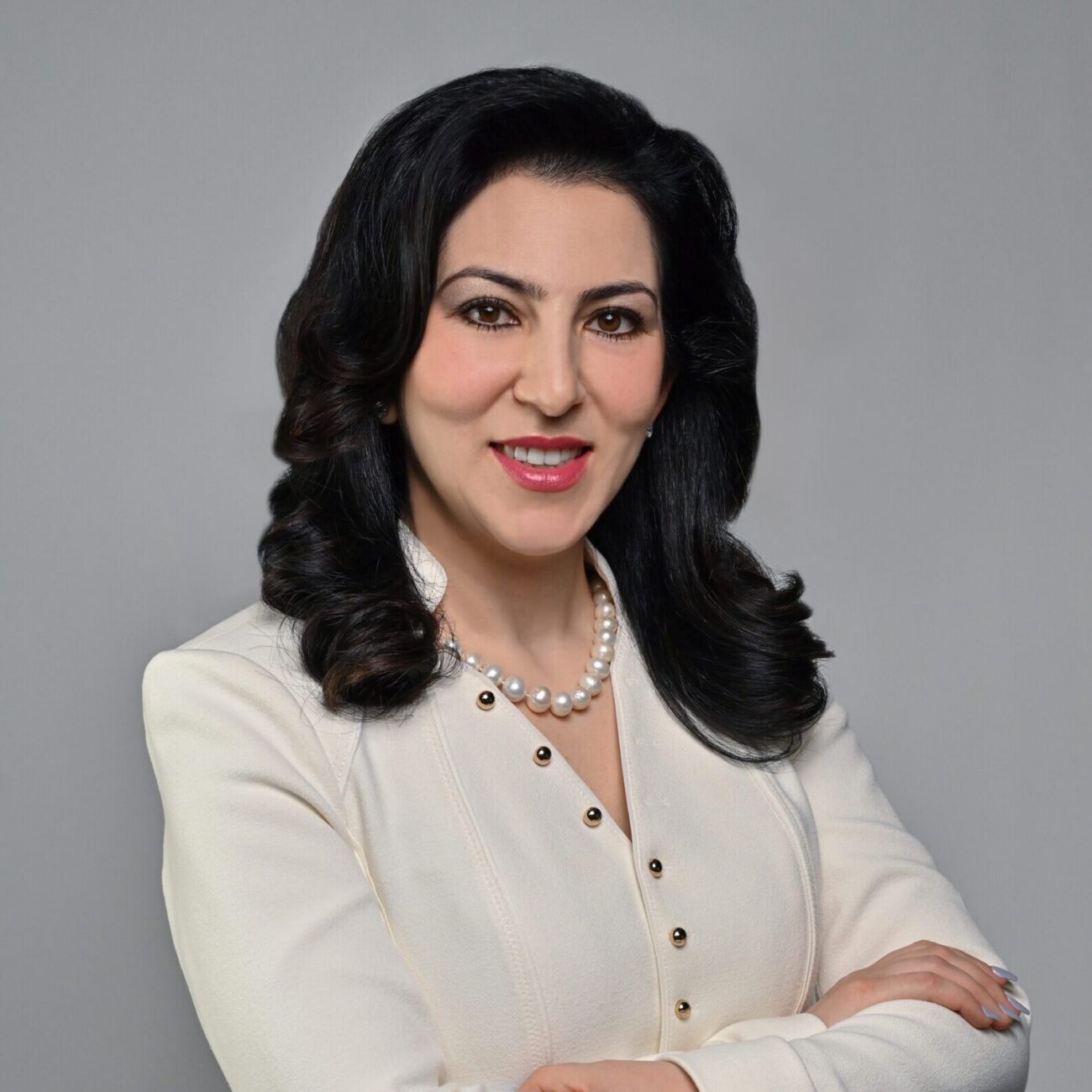
Written & Reviewed By
Hon. Raisa Cohen (Ret.), Esq.
Immigration Attorney & Founder — Cohen Immigration Law Group, P.C.
Forest Hills, New York · NY Bar (2008) · U.S. Court of Appeals, 2nd Circuit
Appointed U.S. Immigration Judge by Attorney General Loretta E. Lynch, March 2016
Hon. Raisa Cohen served nearly a decade as a U.S. Immigration Judge at the New York Federal Plaza Immigration Court — one of eight judges appointed to the bench by Attorney General Loretta E. Lynch in March 2016 (DOJ/EOIR press release). Federal court records show she decided 572 asylum claims on the merits (FY2020–2025), granting relief in 90.7% of cases — more than double the 41.1% national grant rate and well above her own court’s 61% average. Before the bench, she served two stints as Assistant Chief Counsel for ICE at the Department of Homeland Security in New York (2009–2014 and 2015–2016). She earned her B.B.A. from Baruch College, CUNY (2002) and her J.D. from St. John’s University School of Law (2007), where she received the CALI Excellence for the Future Award and trained in the Refugee and Immigrant Rights Litigation Clinic. She immigrated to the United States from Uzbekistan as a refugee. Now in private practice, she focuses on asylum, removal defense, and humanitarian immigration. She speaks English, Russian, and Spanish and is a regular CLE presenter at AILA conferences and law school clinics nationwide.
New York Federal Plaza Court
Practitioner · Prosecutor · Judge
by AG Loretta Lynch · DOJ/EOIR 2016
As Covered By