

Immigration Interview Questions, Red Flags, and What Not to Say
What Not to Say At an Immigration Interview
Immigration interviews are not informal conversations. They are legal proceedings where credibility, consistency, and documentation are evaluated carefully. This is especially true in family-based and marriage-based cases, where officers are tasked with determining whether a relationship is genuine or entered into for immigration purposes.
At Cohen Immigration Law Group, interview preparation reflects how cases are reviewed in practice. That approach is informed by Raisa Cohen’s experience as a former immigration judge and prosecutor, where interview testimony, inconsistencies, and credibility findings often determined the outcome of a case.
What Are Red Flags During an Immigration Interview?

Immigration officers are trained to look for patterns that may indicate fraud. A red flag does not automatically result in denial, but it does trigger closer scrutiny and often leads to more intensive questioning.
In family-based cases, officers are not looking for perfection. However, they are looking for loopholes in a story, as their job is to look at whether the relationship appears real, consistent, and supported by evidence.
Another common concern is the absence of meaningful financial or practical integration, such as not sharing bank accounts, insurance, bills, or other indicators of a shared marital life.
- No shared language.
- Vast difference in age.
- Difference in religion.
- Different social class or cultural background.
- Difference in race.
- Unequal educational background.
- Different addresses.
- Parents and relatives are not aware of the marriage.
- Foreign national is in removal proceedings
- Marriage soon after a divorce.
- History of U.S. petitioner sponsoring other spousal immigrants.
What Is Considered a Red Flag in a U.S. Visa or Marriage-Based Case?
When officers identify potential red flags, the interview process often escalates. In marriage-based cases, this can include separating spouses and questioning them independently using the same set of questions, known as the Stokes Interview. The goal is to compare answers for consistency and credibility.
Officers may focus on details such as:
- How and when the couple met
- Daily routines
- Shared responsibilities
- Financial arrangements
- Knowledge of each other’s personal histories
They may also examine whether the couple has children together, shares a residence, or has made long-term commitments such as joint leases or mortgages.
In some cases, officers may conduct home visits to confirm that spouses actually live together. Officers may also analyze travel records and prior filings. Immigration officers have been known to question applicants about travel taken with former spouses or inconsistencies between travel history and claimed relationships.
Inconsistencies are evaluated for significance. Minor differences are not necessarily fatal, but material inconsistencies that suggest a lack of shared life or truthfulness can lead to denial.
Common red flags in an interview or during the application process include:
- Significant age differences
- Lack of shared finances
- Limited or recent cohabitation
- Prior marriages
- Differences in religion or cultural background
- Inconsistent statements across applications, interviews, or prior filings
What Not to Say in an Immigration Interview or Court Hearing
One of the most common mistakes applicants make during interviews is guessing. If an applicant does not remember an answer or does not know, it is far better to say so than to come up with information that may not be entirely accurate. Guessing often leads to inconsistencies between spouses or conflicts with prior filings, which are then interpreted as credibility issues.
Applicants should also avoid volunteering information that was not asked for. Offering unnecessary details can introduce new concerns or create confusion where none previously existed.
Many applicants feel pressure to answer every question immediately, even when unsure. That pressure often causes more harm than pausing and responding accurately. Having an experienced and dedicated immigration lawyer by your side can help you understand the nuances of an immigration interview and help you to be better prepared for the questions that will be asked.
The Role of Legal Representation During Immigration Interviews
Not every inconsistency is material, and not every concern raised by an officer is legally significant. An experienced immigration attorney plays a critical role during interviews by ensuring that questioning remains appropriate and that trivial or irrelevant inconsistencies are not mischaracterized as fraud.
Legal representation also allows for intervention when questioning crosses into speculation or bias, and for clarification when an officer draws conclusions not supported by the evidence.
Careful preparation, thorough documentation, and informed advocacy significantly reduce interview risk, particularly in family-based immigration cases where credibility is central to approval.
Understanding what officers look for, how interviews escalate, and how answers are evaluated can make the difference between approval and denial.
Also see our article on questions to ask an immigration lawyer to give you an idea of what to ask when looking to hire an immigration lawyer near you.
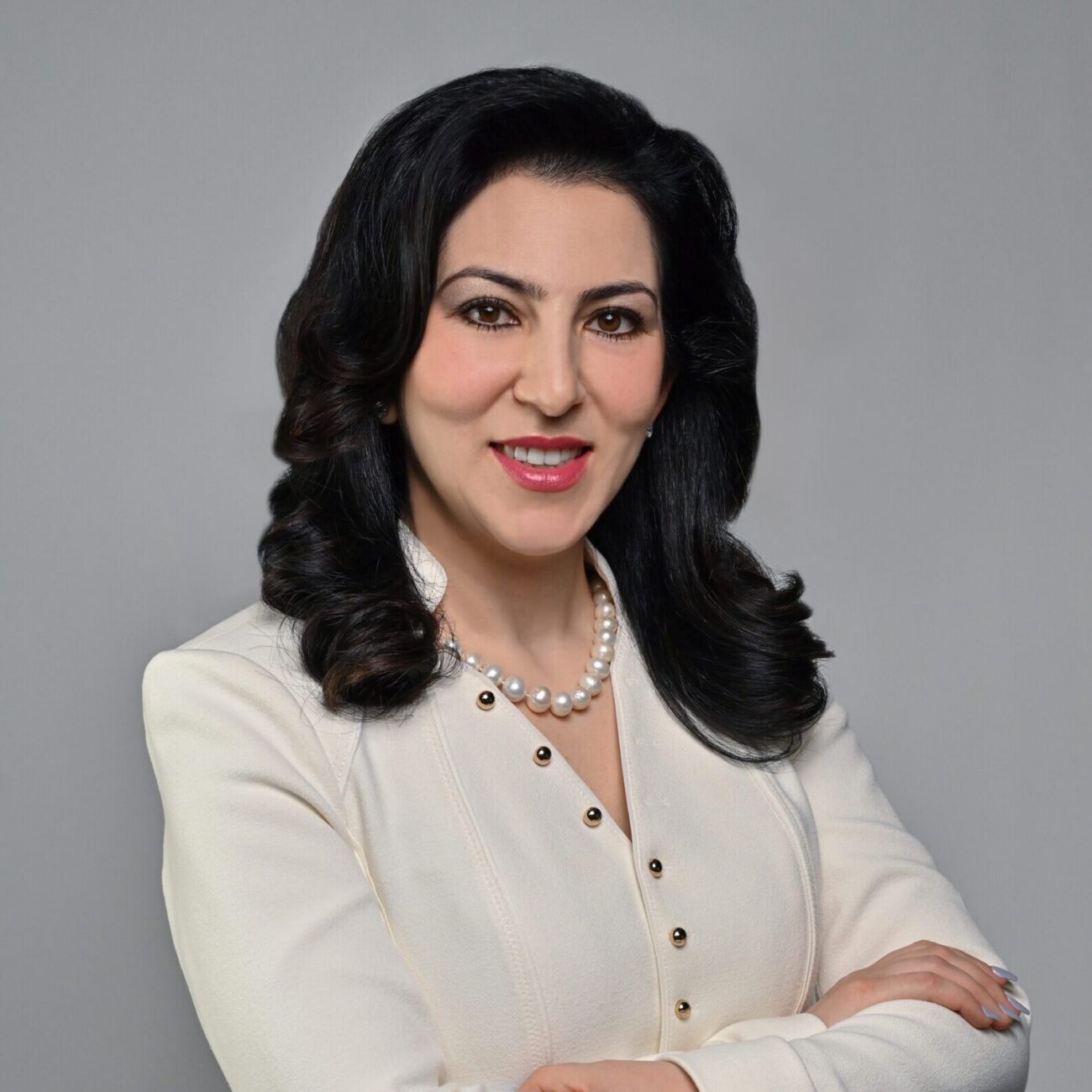
Written & Reviewed By
Hon. Raisa Cohen (Ret.), Esq.
Immigration Attorney & Founder — Cohen Immigration Law Group, P.C.
Forest Hills, New York · NY Bar (2008) · U.S. Court of Appeals, 2nd Circuit
Appointed U.S. Immigration Judge by Attorney General Loretta E. Lynch, March 2016
Hon. Raisa Cohen served nearly a decade as a U.S. Immigration Judge at the New York Federal Plaza Immigration Court — one of eight judges appointed to the bench by Attorney General Loretta E. Lynch in March 2016 (DOJ/EOIR press release). Federal court records show she decided 572 asylum claims on the merits (FY2020–2025), granting relief in 90.7% of cases — more than double the 41.1% national grant rate and well above her own court’s 61% average. Before the bench, she served two stints as Assistant Chief Counsel for ICE at the Department of Homeland Security in New York (2009–2014 and 2015–2016). She earned her B.B.A. from Baruch College, CUNY (2002) and her J.D. from St. John’s University School of Law (2007), where she received the CALI Excellence for the Future Award and trained in the Refugee and Immigrant Rights Litigation Clinic. She immigrated to the United States from Uzbekistan as a refugee. Now in private practice, she focuses on asylum, removal defense, and humanitarian immigration. She speaks English, Russian, and Spanish and is a regular CLE presenter at AILA conferences and law school clinics nationwide.
New York Federal Plaza Court
Practitioner · Prosecutor · Judge
by AG Loretta Lynch · DOJ/EOIR 2016
As Covered By